April 29, 2026
Choosing the right company for auto body collision repairs can be a daunting task. The quality of auto body collision repairs significantly impacts the safety, aesthetics, and resale value of your vehicle. According to Driver Knowledge, the average number of car accidents in the U.S. every year is 6 million. A careful evaluation of auto body collision repairs helps ensure your vehicle is restored properly after an accident.
It can also be helpful to think about how different shops structure their repair process from the beginning. Some facilities may focus on certain types of damage more than others, which can influence how work is approached. Taking time to understand these differences can make the selection process feel more manageable and organized.
1. What Is the Scope of Collision and Body Repair Services?
When evaluating a shop for auto body collision repairs, it's important to understand the full range of services offered. Shops that handle auto body collision repairs typically manage everything from minor dents to major structural damage. This can include frame alignment, panel replacement, and exterior restoration, depending on the extent of the damage.
A broader service scope often means fewer hassles between providers during the repair process. It also helps streamline communication and ensures consistency throughout the work being completed. Understanding these capabilities can help you determine whether a shop is equipped for your specific repair needs.
2. What Services Are Included in the Repair Process?
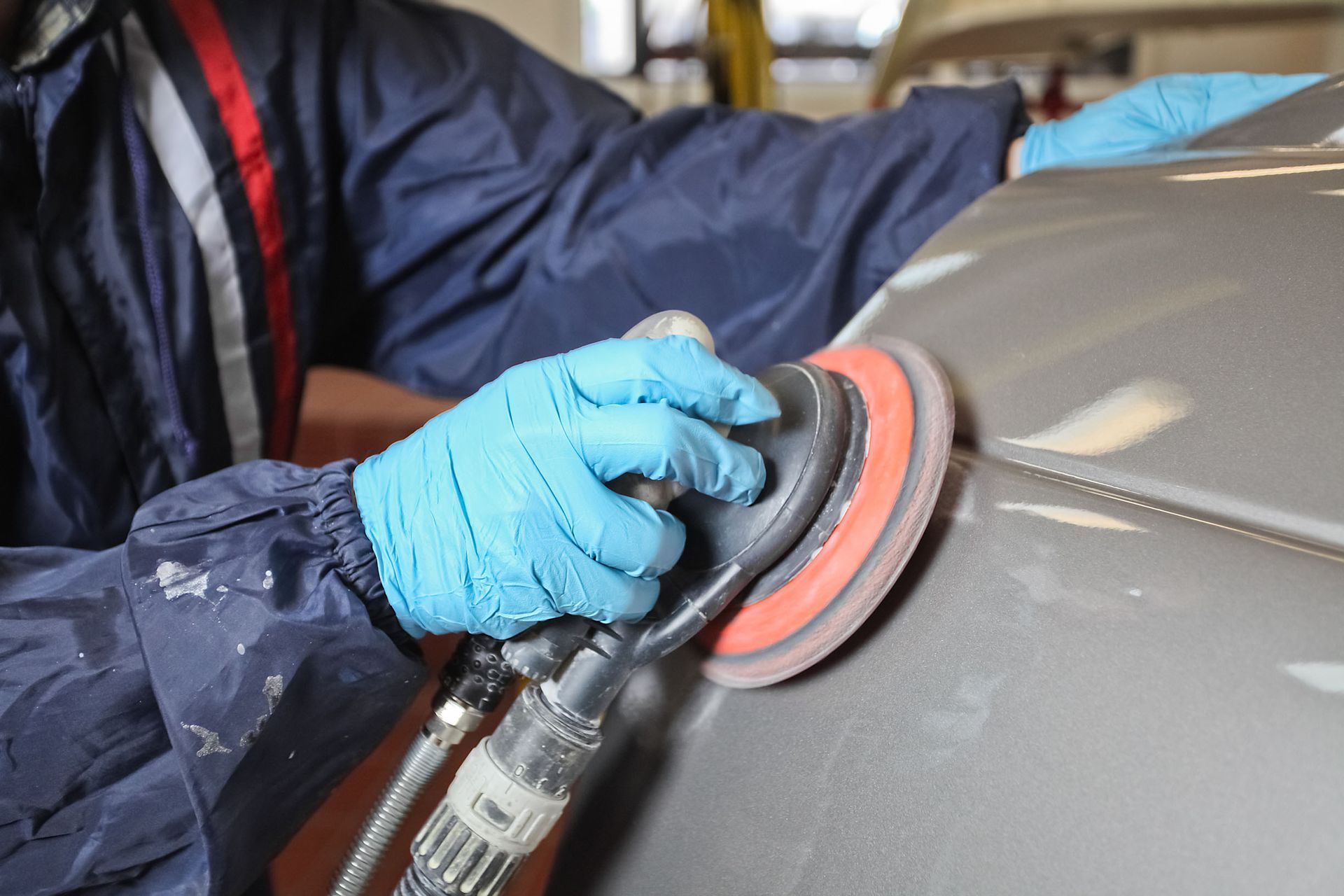
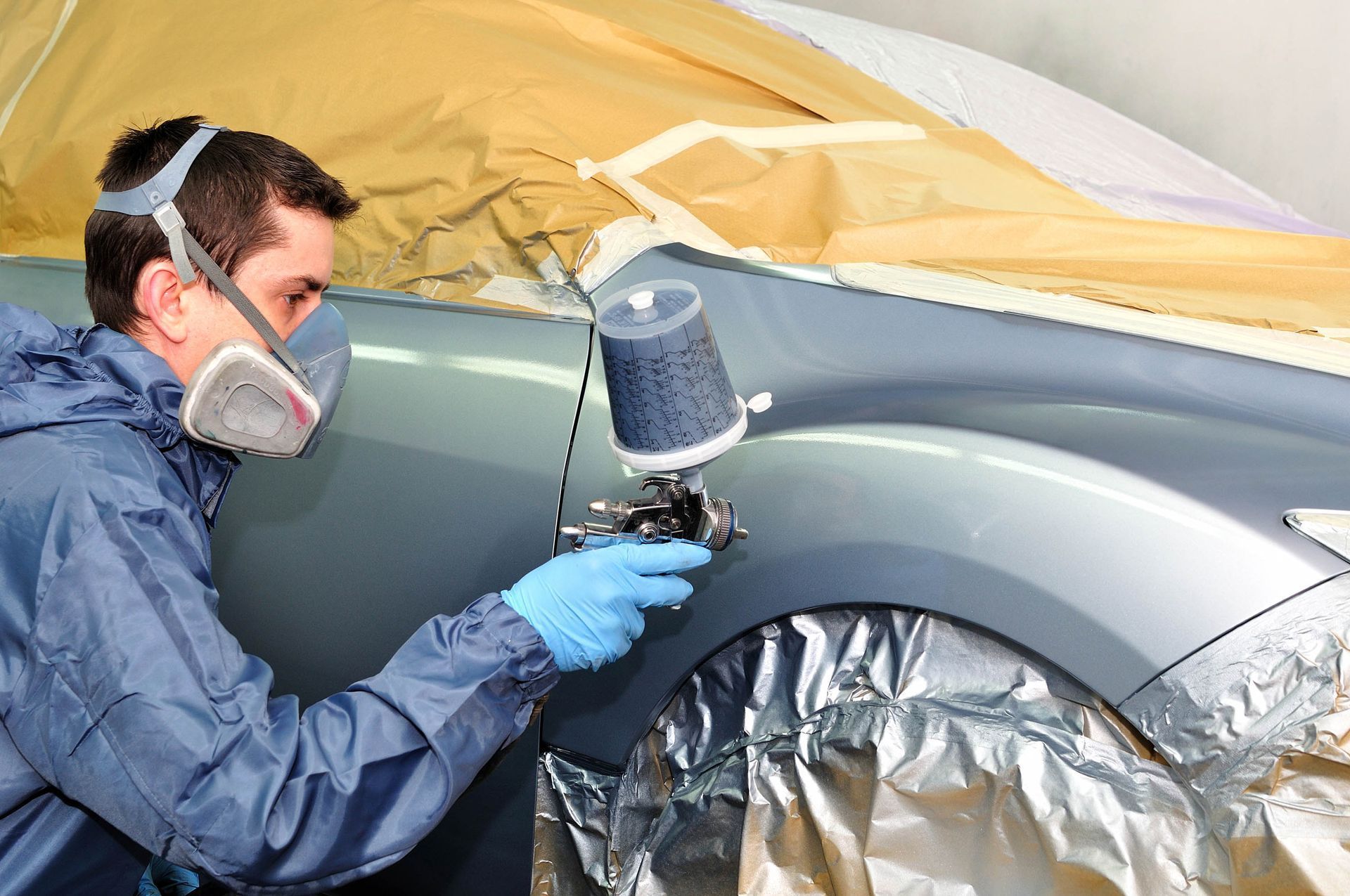
Auto body collision repairs often involve more than just fixing visible exterior damage. Many providers of auto body collision repairs include paint refinishing, color matching, and glass repair as part of the overall process. These services work together to restore both the appearance and functionality of the vehicle.
Some shops also offer additional support services such as detailing or routine maintenance checks after auto body collision repairs are completed. These added services can help bring the vehicle closer to its former condition. Asking about what is included provides clarity on the full restoration process.
It is also common for different services to be completed in a specific order depending on the condition of the vehicle. For example, structural work may take place before surface finishing or cosmetic updates. Understanding how these steps are sequenced can help set expectations around how the overall process is structured.
3. What Do Customer References and Testimonials Indicate?
Customer reviews and testimonials provide insight into how auto body collision repairs are handled by a shop. Feedback from previous customers often highlights consistency in workmanship and service experience. Reviewing multiple sources can help identify common patterns in quality and communication.
Observing how an auto body shop responds to feedback is also helpful when evaluating auto body collision repairs. Constructive responses to concerns can indicate a structured approach to service improvement. Speaking directly with past customers can provide additional context about their experience.
It can also be useful to look at how experiences vary depending on the type of repair performed. Some customers may focus on cosmetic work, while others may have had more extensive structural repairs completed. These differences can help provide a broader understanding of how services are delivered in different situations.
4. How Are Insurance Claims Handled During Repairs?
Insurance coordination is often a key part of auto body collision repairs. Many shops that perform auto body collision repairs work directly with insurance providers to help streamline approvals and documentation. This can reduce delays and simplify the process for vehicle owners after an accident.
Clear communication between the repair shop and the insurer helps keep auto body collision repairs moving efficiently. It also ensures that the required paperwork is completed accurately throughout the process. Understanding how updates are shared can help set expectations from start to finish.
5. What Is the Timeline for Repair Completion?
The timeline for auto body collision repairs depends on the severity of the damage and parts availability. Shops that handle auto body collision repairs may also adjust schedules based on workload and repair complexity. Having a clear timeline helps set realistic expectations for completion.
Regular updates during auto body collision repairs help keep the process transparent. It also allows vehicle owners to plan around the time their car is in the shop. Balancing speed with thorough work is important for a complete restoration.
In some cases, unexpected factors can also influence timing, such as additional damage discovered during repairs. This is why timelines are often treated as flexible rather than fixed. Staying informed throughout the process helps reduce uncertainty as work progresses.
6. How Is Quality Control Managed During Repairs?
Quality control is an essential part of auto body collision repairs. Shops performing auto body collision repairs often use step-by-step inspections throughout the repair process. This includes reviewing damage before work begins and checking progress during each stage.
Final inspections after auto body collision repairs are completed help ensure consistency and accuracy. These checks allow any remaining issues to be addressed before the vehicle is returned. A structured process supports complete repair outcomes.
Ongoing checks during the repair process also help maintain consistency across different stages of work. This can include reviewing both structural and cosmetic elements to ensure everything aligns properly. These layers of inspection contribute to a more complete overall process.
7. How Are Damage Assessments and Estimates Conducted?
Before auto body collision repairs begin, many shops start with a detailed inspection to understand the full extent of the damage. This step is important because it helps identify both visible and underlying issues that may need attention during the repair process. A thorough assessment can also help clarify what types of repairs will be required.
In many cases, shops provide a written estimate based on this initial evaluation. This estimate typically outlines the scope of work, which may include collision repair, paint refinishing, dent removal, or glass repair, depending on the condition of the vehicle. Having this information upfront allows vehicle owners to better understand how the repair process will move forward.
Some shops also update estimates if additional damage is discovered once work begins. This is a normal part of the process, especially when structural or hidden issues are involved. Staying informed during this stage helps maintain clarity as repairs progress.
8. What Additional Vehicle Services May Be Available?
Beyond auto body collision repairs, some shops offer additional services that help support overall vehicle care. These may include auto detailing, routine maintenance, oil changes, and other basic servicing that help keep a vehicle in good condition. Offering multiple services in one location can make it easier to address different vehicle needs in a single visit.
Windshield repair and replacement are also commonly included alongside collision-related services. This can be helpful when accidents involve both body damage and glass damage at the same time. Coordinating these services in one place can help simplify the overall repair experience.
Some facilities also assist with vehicle upkeep after repairs are completed, such as minor touch-ups or follow-up services. These additional options help support long-term vehicle care beyond the initial repair work. Understanding the full range of available services can help set expectations for what a shop can handle.
Making an informed choice when selecting a company for auto body collision repairs comes down to knowing what each shop offers and asking the right questions. Reviewing repair capabilities, available services, insurance coordination, timelines, and overall repair processes can help you feel more confident that your vehicle will be properly restored after an accident.
Taking a closer look at these factors helps ensure your vehicle receives careful, accurate attention from start to finish. To learn more about services and repair options, visit Columbus Auto Body Works Inc.